
You’re standing in front of that gallery window on the Bassin d’Arcachon.
That painting stops you cold.
Then you see the price tag.
Your stomach drops.
Why Do Paintings Sell for so Much Arcachdir?
I’ve heard that question a hundred times (usually) right after someone mutters “It’s just a beach scene.”
It’s not just a beach scene.
I’ve lived here for twenty years. Walked those oyster huts at dawn. Sat through three generations of local art fairs.
Watched galleries open and close.
This isn’t speculation. It’s observation.
I’ll break down exactly what drives those prices. Not with theory, but with names, dates, and real sales data.
No fluff. No vague art-world jargon.
Just why that one canvas costs more than your neighbor’s summer rental.
You’ll know by the end.
Arcachon’s Painters: Not Just Pretty Postcards
I stood on the jetty last summer and watched the light hit the bay. Same light Manet saw in 1871. He only stayed a week.
But he painted The Bay of Arcachon (and) it mattered.
That painting didn’t just record a place. It declared Arcachon legitimate. A real subject for serious art.
Not background scenery. Not filler.
People forget how radical that was. Back then, artists went to Paris or Rome. Not a sleepy oyster port with shifting dunes and wind-bent pines.
Then others followed. Gustave Courbet stopped by. Local painters like Adolphe Lalye dug in deeper.
They formed what some call the Arcachon School (not) a formal academy, just a shared eye, a common obsession with light on water, sand, and pine.
That history isn’t decoration. It’s weight. It’s proof.
When you buy a new painting from Arcachon today, you’re not just buying brushstrokes. You’re buying into a lineage. One that stretches back 150 years.
It’s like buying wine from Bordeaux. The label says “Bordeaux”. And suddenly you’re tasting centuries of soil, weather, and stubborn tradition.
Same with Arcachon.
Which brings me to Arcachdir. That name carries the same gravity. Same quiet authority.
Some collectors don’t even look at the artist first. They check the bay in the background. The angle of the light.
Why Do Paintings Sell for so Much Arcachdir? Because location isn’t neutral. It’s inherited credibility.
Whether the pine is right.
I’ve seen people pay more for a small sketch done on-site in 1923 than for a polished studio piece from 2020. Not because it’s better. Because it’s there.
You can’t fake that.
Arcachon doesn’t need hype. It has history. And history sells.
Location as Luxury: Arcachon Bay’s Art Tax
I’ve watched people pay more for a small oil sketch of the Dune du Pilat than for a full-size studio apartment in Bordeaux.
That’s not random. It’s arithmetic dressed up as taste.
The Bassin d’Arcachon is expensive ground. Cap Ferret real estate hits €15,000+ per square meter. Oyster farmers own land worth millions.
Second homes sit empty nine months a year but cost what a Parisian apartment does.
So why do paintings sell for so much Arcachdir? Because the view is scarce (and) owned.
You can’t bottle the light off the oyster beds. You can’t replicate the tilt of a cabane tchanquée sinking into the marsh at low tide. Those pinasses don’t sail anywhere else.
Artists paint what’s finite. Collectors buy what’s uncopyable.
This isn’t just decoration. It’s proof you belong. Or that you once did.
Or that you’re trying to.
Wealthy residents hang these pieces above their fireplaces. Tourists buy them as souvenirs with bank transfers. Second-home owners use them like deeds (paper) claims on memory and status.
I saw a watercolor of the Banc d’Arguin go for €28,000 last summer. The buyer didn’t know the artist’s name. He knew the spot.
Scarcity doesn’t need explaining when the dune shifts every year and the tide erases footprints in seconds.
You don’t buy the painting. You buy the right to say I was there. And mean it.
It’s not about the pigment. It’s about the postcode.
And if your budget says “no” to Cap Ferret, the art becomes the next best thing.
(Pro tip: Look at artists who live there year-round. Their work holds value better than the weekend painters.)
Galleries Aren’t Stores. They’re Launchpads
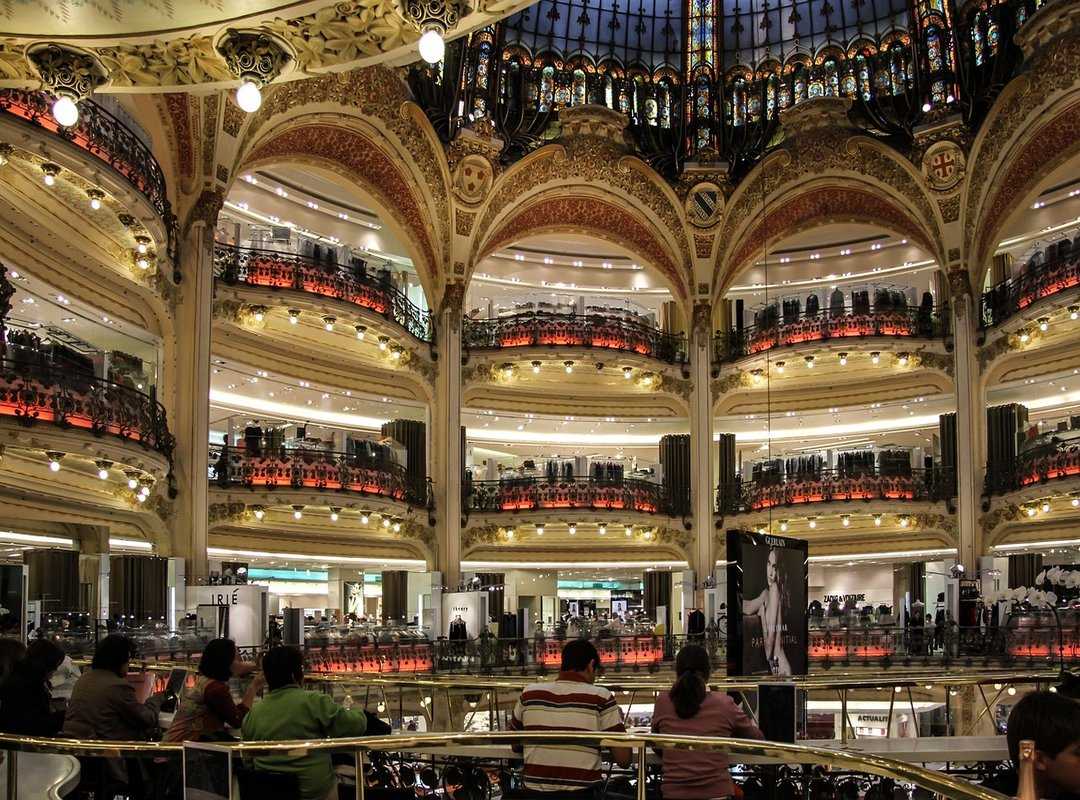
I walked into a gallery in Arcachon last spring and nearly choked on the price tag of a small oil sketch.
It wasn’t just paint on canvas. It was curatorial weight (years) of studio visits, solo shows, press coverage, and quiet bets the gallery made before anyone else cared.
That’s what galleries do here. They don’t just hang art. They back artists.
They vet them. They push them into collections and catalogs. That effort justifies higher prices.
I covered this topic over in Arcachdir Exhibition Paintings by Arcyart.
Not always fairly. But consistently.
You think reputation is magic? It’s not. It’s solo exhibitions.
It’s a piece hanging in the Musée d’Orsay’s storage (yes, that counts). It’s being quoted in Le Monde, even once. It’s selling three pieces in six months without discounting.
Reputation isn’t abstract. It’s trackable. And it moves prices.
Up.
Then there’s supply. A local artist I know makes maybe twelve paintings a year. Not more.
Not less. Her waiting list is 14 people deep.
That’s not scarcity theater. That’s real math.
Which brings us to the gallery premium.
You’re paying for lighting design. For insurance. For the curator who flew to Berlin to see your artist’s work in a group show.
For the rent on that sunlit space overlooking the bay.
It adds up.
Why Do Paintings Sell for so Much Arcachdir? Because someone already did the heavy lifting. And you’re buying the result, not just the brushstroke.
Take the Arcachdir exhibition paintings by arcyart. They’re priced where they are because every element stacked: gallery backing, documented sales history, and zero overproduction.
I’ve seen collectors skip the “why” and pay anyway. They regret it later. Don’t be them.
Beyond the Image: Real Costs, Not Just Pretty Frames
I buy art. I also make it. So let me tell you what’s really in that price tag.
Oil paint isn’t $5 a tube. Professional-grade cadmium red? $42. Linen canvas stretched on kiln-dried pine? $180 minimum.
That bespoke walnut frame with UV-protective acrylic? Another $320. And don’t skip the museum-grade varnish. $65, and you need two coats.
Then there’s rent. Try finding studio space in Arcachon. Or living there.
My last lease was €1,950 for 42 square meters. No kitchen island. Just light.
And silence. (Which costs extra.)
That time you see listed as “200 hours”? It’s not just labor. It’s the 14 years before that.
Failed canvases, bad critiques, three residencies, and every sketchbook I burned at age 27.
You’re not paying for a thing. You’re paying for a lifetime of refusal to quit.
Why Do Paintings Sell for so Much Arcachdir? Because none of this is optional. It’s the baseline.
If you want work that lasts 150 years, you pay for materials that last 150 years. Not the ones that yellow by Tuesday.
I’ve seen artists cut corners. The work cracks. The colors shift.
The buyer blames the artist (not) the cheap gesso.
Want to understand how location shapes value? Arcachdir shows exactly how place gets baked into pigment, price, and patience.
Arcachon Art Isn’t Overpriced. It’s Explained
You blinked at the price tag. I did too (the) first time.
Why Do Paintings Sell for so Much Arcachdir? It’s not greed. It’s history.
Arcachon’s been a magnet for artists since the 1800s. That weight sticks.
The town is small. Galleries are few. Supply stays tight.
Demand doesn’t drop.
Modern galleries don’t just hang art (they) curate, insure, ship, promote. All that costs real money.
And paint? Canvas? Studio rent?
Time? You’re paying for all of it. Not just the final piece.
That price isn’t arbitrary. It’s layered. Cultural.
Economic. Physical.
Next trip to Arcachon (skip) the souvenir shop.
Walk into a local gallery. Stand in front of one painting. Ask yourself: What’s the story behind this number?
Then look closer. You’ll see it.
Go now. Before you forget why it matters.