You’re staring at that half-finished embroidery hoop. Thread tangled. Fabric wrinkled.
Your shoulders tight.
Sound familiar?
I’ve watched people abandon projects for years. Not because they ran out of time. Because they ran out of joy.
Creative burnout is real. Decision fatigue is worse. And that pressure to make something perfect?
It kills creativity faster than anything.
I’ve guided beginners and seasoned makers alike. Over a decade now (through) the same cycle: start excited, stall mid-way, feel guilty, quit.
This isn’t another list of craft ideas. You don’t need more inspiration. You need a way to choose what actually fits your life right now.
A way to start without overthinking. A way to finish without resentment. A way to trust your own rhythm instead of chasing someone else’s standard.
I’ll show you how to build sustainable creative habits. Not just for this project, but for every one after.
No fluff. No guilt-tripping. Just clear steps that work.
You’ll walk away knowing exactly which projects to say yes to (and) which ones to let go.
That’s what Creative Activities Lwmfcrafts is really about.
Why Most Crafting Projects Fail Before They Begin
I’ve started 17 projects I never finished.
Twelve of them gathered dust before week two.
The first barrier? Unclear purpose. Is this for joy? A gift?
To prove something to yourself? Or just to post a pretty photo? If you can’t answer that in one sentence, stop.
Right now.
Second: skill-to-material mismatch. You buy a $65 embroidery kit with French knots and bullion roses (but) you’ve never stitched a straight line. Or you pick a walnut cutting board plan but don’t own a saw (or know how to use one).
That’s not ambition. That’s setup.
Third: time and mental load. Crafting isn’t just hours. It’s decision fatigue, supply hunting, cleanup, and the quiet shame when your Instagram feed shows their perfect macramé wall hanging (while) yours dangles, half-knotted, from a drawer handle.
I built the Project Fit Score to fix this. Three questions. Thirty seconds.
No math. It asks: What do you actually need right now? What can you realistically do today?
And what happens if you walk away?
You’ll find the tool on the Lwmfcrafts resource page. It’s free. No email required.
Creative Activities Lwmfcrafts aren’t about perfection. They’re about alignment. Start there.
Not after the glue dries. Before you open the box.
How to Pick a Project. Not a Problem
I used to stare at my yarn stash for twenty minutes. Then panic. Then scroll Instagram until I felt worse.
Stop choosing projects based on what looks cool online.
Start with your body. Not your to-do list.
What’s your energy right now? Low. Medium.
High. Be honest. (Low means you’re running on fumes and caffeine.)
Then check the clock. Got 20 minutes? An hour?
A full Saturday?
Finally. What do you need today? To learn one thing.
To make something useful. Or just to play.
That’s it. Three questions. No spreadsheets.
Creative Activities Lwmfcrafts works best when you match those three things. Not force a project into your day.
Here’s what that actually looks like:
| Energy | Time | Goal | Try This |
|---|---|---|---|
| Low | <30 min | Learn one thing | Single-color punch needle sampler |
| Medium | 1 (2) hrs | Make something useful | Fix a loose button with embroidery floss |
| High | Weekend | Play freely | Dye fabric scraps with avocado pits |
Skip the pretty yarn haul. Audit what you already own first.
Ask yourself: What would feel like a win today?
Not “What should I be making?” That question is toxic.
Say it out loud. Then pick the smallest thing that answers it.
The 20-Minute Launch Method: Start Before You’re Ready
I used to stare at blank pages for hours. Then I tried cutting fabric strips for exactly 20 minutes. Just five strips.
Timer on the counter. Done.
That’s it. No prep. No planning.
Just one repeatable action, done once.
You don’t finish anything. You don’t “get into it.” You just start (and) stop when the timer dings.
Why does this work? Because your brain hates starting. It treats initiation like lifting a boulder.
This method drops the weight to five pounds. You get a micro-win. Your nervous system registers completion.
That rewires the perfectionism loop (fast.)
Tactile folks? Wind one bobbin. Or roll three clay coils.
Visual folks? Sketch three shapes (no) shading, no erasing. Structural folks?
Fold one origami crane. Or glue two wood pieces.
A writer friend tried it with journaling. She’d open her notebook, write one sentence, close it. For 20 minutes.
Three notebooks later? She stopped calling it “failed journaling.” She called it “showing up.”
It’s not about output. It’s about breaking the freeze.
This isn’t motivation. It’s physics. Lower activation energy, higher follow-through.
If you’re stuck in the “I’ll start when I’m ready” trap, try it tonight. Set the timer. Do one thing.
Stop.
You’ll be surprised how often “just one” becomes two. Then three. Then a habit.
You can read more about this in this post.
When to Let Go (and) How to Repurpose, Not Regret
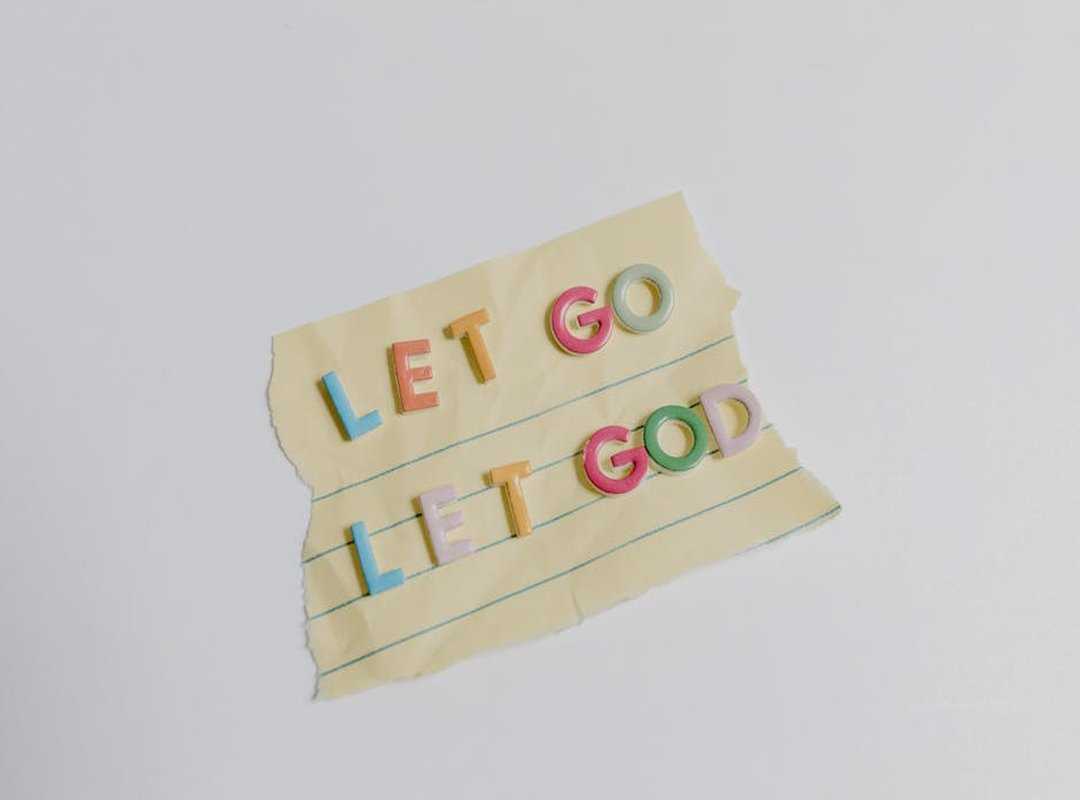
I stopped forcing myself to finish every project years ago.
It felt like dragging a sack of wet bricks uphill.
You know that feeling. When opening your studio feels like stepping into a crime scene you caused? That’s not discipline.
That’s resistance wearing a disguise.
Clear exit signs are real: repeated frustration, zero curiosity after three sessions, or straight-up life mismatch (like trying loud sewing during baby naps).
I don’t call them “failures.” I call them curation decisions. Turning scrap fabric piles into a collage series saved my sanity last winter. Half-painted canvases?
I stash them for future texture layers. Not guilt.
Here’s what I do instead of abandoning:
Photograph and archive it. Deconstruct for parts. Gift the unfinished piece to a beginner.
Or turn it into teaching material. Yes, even the messy bits.
Creativity is cyclical. Not linear. Resting is part of the process.
Not a pause before the real work (it) is the work.
And if you’re still sorting through old projects, try this: pick one thing you’ve avoided for over a month.
Ask yourself. Does this serve me now, or am I just honoring inertia?
Creative Activities Lwmfcrafts isn’t about completion. It’s about honest motion. Sometimes motion means walking away.
Then coming back with fresh eyes.
Building a Sustainable Creative Practice (Not Just a Project
I used to treat creativity like a sprint. Then I burned out. Twice.
Now I follow the Creative Maintenance Ratio: 1 hour maintaining for every 4 hours making. Watch a 10-minute tutorial. Clean my brushes.
Test that new glue. It’s not glamorous. But it stops me from restarting every time something fails.
Try the “Supply Scan”: 5 minutes, once a week. Check what’s low. What’s expired.
What’s slowly inspiring you right now. (Yes, that half-used glitter jar counts.)
Consistency beats intensity (every) time. Twelve minutes daily sticks. Two hours once a month?
Forgotten by Tuesday. Neuroscience shows habits solidify in 18 (25) days. Not 30 or 60.
Stop waiting for “more time.”
No screens during stitching. No “shoulds” in the studio. Silence.
Or intentional sound only. These aren’t suggestions. They’re non-negotiable.
You don’t need more projects. You need fewer interruptions.
And if you’re looking for ways to bring play back into your process? Start with How to Make.
Start Small, Stay Curious, Make It Yours
I’ve been there. Staring at a half-finished project, wondering why it feels like work instead of play.
You’re not lazy. You’re not behind. You’re just carrying too much weight.
Expectations, old rules, the myth that creativity needs permission.
Creative Activities Lwmfcrafts isn’t about gear or skill. It’s about showing up as you are (right) now (with) one thing, one idea, one quiet moment.
So pick one section above. Grab one item from your craft space. Do one small thing with it in the next 24 hours.
That’s it.
No setup. No prep. Just you and the choice.
Your creativity isn’t waiting for permission (it’s) waiting for a single, kind choice.