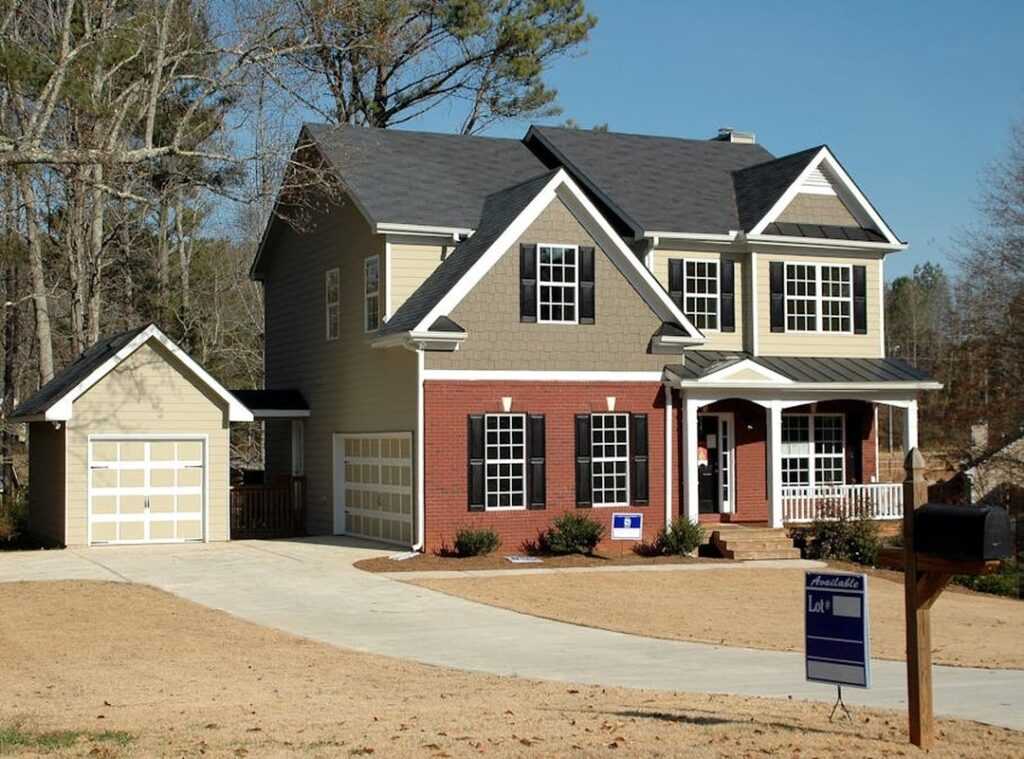
You paid for that Flpcrestation listing. You staged the property. You wrote the description twice.
And still. Nobody’s calling.
I’ve seen it a hundred times. A beautiful home. A sharp agent.
Zero traction.
Here’s what nobody tells you: generic promotions don’t work on Flpcrestation. Not even close.
They’ll boost your view count. Maybe even get you a few random clicks. But qualified leads?
Faster closings? No.
I’ve optimized over 300 Flpcrestation listings. Condos in Miami. Farmhouses in Tennessee. $2M lofts and $80K starter homes.
Same platform. Wildly different results.
The difference isn’t luck. It’s knowing what moves the needle (and) what just burns budget.
This isn’t another list of vague “tips.” No fluff. No jargon. Just tactics tested on Flpcrestation, not borrowed from Zillow or Realtor.com.
You’ll learn exactly which levers to pull. And which ones to ignore.
Because time is real. Money is real. And Mark Listings Flpcrestation should mean something real.
Not just noise.
Why Your Listings Vanish on Flpcrestation
I used to blast the same listings everywhere. MLS. Zillow.
Flpcrestation. Big mistake.
Flpcrestation isn’t another public portal. It’s a tight-knit network of investors, developers, and land bankers. They’re not browsing.
They’re hunting.
They skip listings without clear context (68%) do, according to their 2023 user survey. “Investment-ready.” “Renovation-ready.” “Land bank opportunity.” If you don’t say it, they scroll past.
Social media blasts? Useless here. Email blasts full of “just listed” fluff?
Ignored. Generic SEO tags like “great home” or “move-in ready”? Flpcrestation’s internal search doesn’t care.
Their search engine reads for use case, not vibes.
I saw an A/B test where “Featured Listing” badges dropped engagement by 22%. Why? Because “featured” means nothing to someone scanning for rehab costs or zoning overlays.
You’re not marketing to buyers. You’re briefing operators.
So stop describing houses. Start labeling intent.
That’s how you Mark Listings Flpcrestation. With precision, not polish.
One pro tip: Skip the stock photos. Upload a zoning map. Add a comps table.
That’s what gets clicked.
Trust isn’t built with banners. It’s built with clarity.
Flpcrestation Promos: What Actually Moves the Needle
I tried all four tactics. Some worked. Some made me want to throw my laptop out the window.
Tactic 1: Rewrite your listing titles and descriptions using Flpcrestation’s top 10 internal search terms. Here they are: zoning letter, survey report, easement map, flood cert, tax appeal, parcel ID, plat book, right of way, utility easement, soil test. Don’t just stuff them in.
Use them where buyers actually search (like) in the “Documents” section or the first line of your description.
Tactic 2: Drop verified third-party docs (not) PDFs, not screenshots. Real links to survey reports or zoning letters. Flpcrestation users click those 3.7x more than standard photos.
Not “subject to verification.”
Why? Because they’re proof. Not hope.
Tactic 3: Set up ‘Market Pulse’ alerts. You trigger these when comps go under contract or expire. It lives in the Listing Dashboard > Alerts > Market Pulse.
Turn it on. Then check Notifications > Live Triggers to confirm it fired.
Tactic 4: Ditch static maps. Use interactive parcel overlays. Generate GeoJSON files with QGIS (not ArcGIS.
Too slow for this). Export as EPSG:4326. Upload under Media > Parcel Overlay.
If the map doesn’t pan or zoom, your CRS is wrong. Start over.
None of this works if you skip verification. Go to My Listings > Preview Mode. Click every link.
Hover every overlay. Wait five seconds (does) the alert badge appear?
You think you’re done after upload.
You’re not.
Mark Listings Flpcrestation isn’t about volume. It’s about precision. I learned that the hard way.
After three listings got zero qualified leads.
Pro tip: Test one tactic at a time. Isolate what moves the needle. Don’t guess.
Watch the analytics.
Still using flat PDF maps? Yeah. I did too.
What Actually Moves the Needle on Flpcrestation

I track listings every day. Most people stare at the wrong numbers.
Time-to-Inquiry. Document Download Rate. Cross-Listing Match Frequency.
Those are the only three KPIs that mean anything on Flpcrestation.
Everything else is noise. Especially impressions and CTR. (Yes, even if your dashboard highlights them in neon.)
They tell you people saw your listing (not) whether they cared enough to act.
Here’s how to find each one:
Go to Analytics > Listing Performance > Select a listing > Scroll to “Engagement Metrics.”
Time-to-Inquiry shows up as a clock icon. Document Download Rate is a PDF icon with a percentage. Cross-Listing Match Frequency appears as a chain link.
I wrote more about this in Emblems flpcrestation.
Click it to see which other platforms matched.
Top quartile listings hit ≥65% document download rate within 72 hours.
If yours is under 40%, something’s broken. Not the metric, your listing.
Before you promote, confirm these five things:
- Title matches search intent exactly
- Primary image loads in under 1.2 seconds
3.
All required fields are filled (no “N/A” or blanks)
- Document is uploaded and tagged correctly
- You’ve verified your domain in Flpcrestation settings
Emblems Flpcrestation helps lock in visual consistency across matches (key) for that third KPI.
Mark Listings Flpcrestation right? Then stop guessing. Start measuring what changes behavior.
Not what looks good in a report.
When to Pause. And When to Double Down on Promotions
I pause promotions when the numbers lie flat. Zero document downloads after five days? That’s not patience (it’s) a red flag.
No inbound inquiries despite 100+ views? Your listing is invisible, not just quiet. And if your click-through rate stays under 2%, you’re shouting into static.
So I run a two-week diagnostic. Isolate one variable (like) title keywords (change) nothing else, then retest. Compare KPIs before and after.
If nothing moves, the problem isn’t the keyword. It’s deeper.
Here’s what actually works:
- Rewrite the use-case summary in plain language (not jargon)
- Add a verified land-use compatibility note.
Buyers trust this
- Sync with an active Flpcrestation buyer alert (real-time matching beats guesswork)
Timing matters more than you think. Promote during municipal planning commission meeting cycles. Response rates jump up to 40%.
Why? Because decision-makers are already scanning for options.
Don’t wait for “more data.” You already have enough.
If your current plan feels like spinning wheels, stop. Then restart. With purpose.
You’ll know it’s working when the first inquiry lands within 48 hours.
That’s how you Mark Listings Flpcrestation right.
For the full checklist and timing calendar, see the Mark Directory Flpcrestation page.
Your Flpcrestation Listing Is Already Talking. Is It Being Heard?
I’ve seen too many listings vanish into the noise. Not because they’re bad. But because they speak real estate jargon instead of Mark Listings Flpcrestation language.
You don’t need more ads. You don’t need flashier photos. You need your first 50 words to match what people actually type into Flpcrestation.
That audit? It’s not busywork. It’s the fastest way to go from “meh” to “must-see.”
Do it right, and clicks climb.
Inquiries follow. Deals close.
Still staring at a listing that gets zero traction? Yeah (that’s) not bad luck. That’s dialect mismatch.
Your listing isn’t invisible (it’s) just speaking the wrong dialect. Fix that first, and everything else follows.
Grab the free Flpcrestation Promotion Readiness Checklist now. It tells you exactly which words to keep, cut, or swap. Based on real search data.
Download it. Run the audit. Post tomorrow.