What VR Means for Art Today
Art has always been about drawing people in but virtual reality does it literally. Instead of standing in front of a frame, you’re stepping inside it. Walls no longer define the experience; movement, space, and interaction do. VR turns the act of looking into an act of being a viewer becomes a participant.
In traditional galleries, the audience is passive. You observe. Maybe reflect. With VR, that barrier vanishes. You’re walking through color, inside brushstrokes, surrounded by sound and space sculpted by imagination. It’s not just visual. It’s physical. You don’t just see art you feel immersed in it.
This shift reframes the role of the artist too. The goal isn’t just to show something beautiful. It’s to build an experience that moves with the viewer, reacts to them, and tells a story through presence as much as through image. For creators, that means thinking not just in visuals, but in environments.
VR isn’t a side tool for art anymore. It’s a new language and more artists are becoming fluent.
Pushing the Boundaries of Creation
For some artists, the canvas isn’t flat anymore it’s all around them. In VR, you don’t just paint a picture, you step inside it. Tools like Tilt Brush, Gravity Sketch, and Adobe Medium aren’t just software they’re studios in motion, letting creators sculpt in 3D, draw in space, and build whole worlds from thin air.
What makes this more than a novelty is how intuitive it’s becoming. Paint with your hands. Walk around your work. Undo reality with a flick of the wrist. These tools strip back barriers and focus on flow. Artists don’t need to translate a vision onto paper they just create it in all dimensions.
And it’s not a solo mission anymore. Multi user VR spaces make real time collaboration possible, even if your team is scattered across the globe. Think of a digital studio where creators from Tokyo, Nairobi, and São Paulo jam on the same sculpture, live. The boundaries are gone. It’s creativity on demand, with no physical borders just shared imagination environments.
Redefining the Gallery Experience
Going to a gallery used to mean traveling across town or the world for a shot at seeing great art. Not anymore. Virtual reality is smashing those boundaries. Now, you can walk through a curated exhibit from your living room, wearing nothing more than a headset and a curious mind. Whether it’s a small indie show in Berlin or a major retrospective in New York, you’re no longer stuck on the outside.
Museums and curators are adapting. We’re seeing a surge in hybrid formats: physical spaces that offer VR extensions, and fully digital galleries that never existed in brick and mortar. For some institutions, it’s not just an optional side project it’s becoming central to how they engage with global audiences.
Most importantly, VR exhibitions are opening doors for people who were often left out. Whether due to mobility challenges, remote locations, or limited budgets, entire audiences can now access world class art experiences they’d otherwise miss. And that’s not just a tech upgrade it’s a shift in who art is really for.
Public Art Enters the Virtual Space
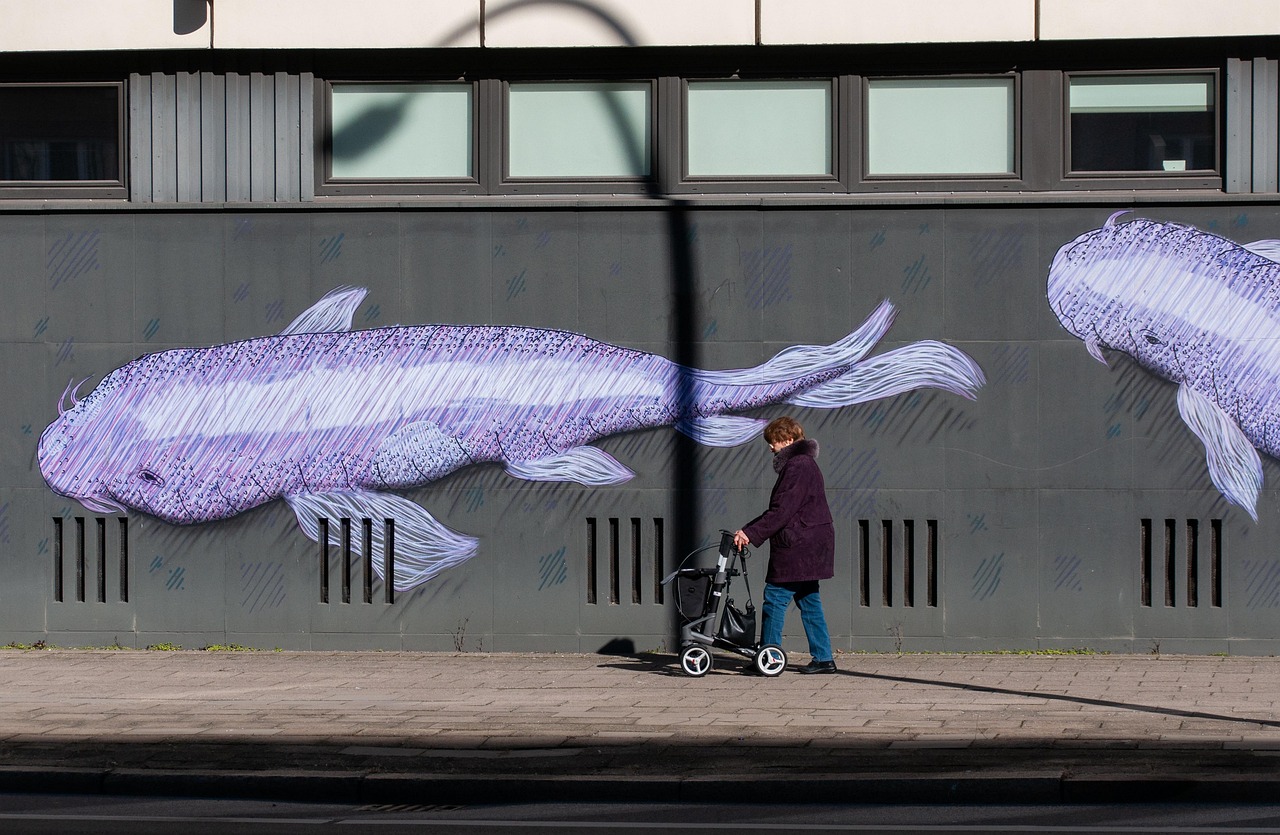
Virtual reality isn’t limited to headsets and home studios it’s reshaping the way we experience public art and shared environments. As cities become more connected and creative, a new relationship is forming between physical space and digital storytelling.
Rethinking Urban Engagement
Digital installations are breathing new life into public art. Instead of merely walking past a mural or sculpture, viewers can now step into layered experiences that include sound, motion, and interactivity. These immersive environments invite people not just to observe, but to participate.
Digital art installations create dynamic interactions in public spaces
Augmented overlays and virtual additions enhance physical artworks
Viewers become participants in evolving creative narratives
Learn more about this transformation in this article on digital installations.
Artists Blending VR with Physical Landscapes
Visionary artists are merging real world environments with virtual elements to reimagine what public space can mean. By layering 3D visuals, soundscapes, and interactive features over physical structures, they’re blurring the boundary between the tangible and the imagined.
Murals that respond to the viewer’s movement through VR overlays
Sculptures that tell stories when viewed through immersive tech
Parks outfitted with invisible installations activated by mobile apps
These projects transform everyday locations into rich, multi sensory experiences available to anyone with a device and a sense of curiosity.
The Rise of Location Based Experiences
With the growth of geolocation and AR/VR integration, interactive art installations are becoming deeply tied to place. Artists and technologists are designing experiences that can only be accessed in specific locations, encouraging exploration and community engagement.
Location specific content ensures each experience is unique
Engages local audiences in deeper, personalized ways
Offers new opportunities for cultural and historical storytelling
In this emerging landscape, public art is no longer static. It evolves with the viewer and the surrounding environment, sparking new forms of connection between people, technology, and place.
Challenges and Creative Crossroads
Making art in virtual reality doesn’t come without friction. First, there’s the gear. Headsets are improving, but they’re still pricey and not exactly plug and play. Many audiences don’t yet own the tech, and creators need machines with enough muscle to render detailed, immersive spaces without lag. Performance glitches aren’t just annoying they break immersion, which is the whole point of VR in the first place.
Then comes the knot of ethical questions. Who owns a piece of art that lives on a server or inside a studio’s proprietary engine? What happens when art can be endlessly duplicated in perfect fidelity? And when experiences live forever in the cloud, are they preserved or just floating in a digital limbo no one controls? As the boundary between viewer and creator blurs, questions of authorship and integrity get murkier.
Still, the biggest challenge might be staying grounded. With so many tools and so much tech, it’s easy to lose the thread. The best VR art doesn’t drown in features it uses just what’s needed to provoke, to move, to say something real. Whether you’re a creator navigating glitches or a curator redefining what a gallery even is, the trick is the same: keep the art at the center. Let the technology serve the vision, not the other way around.
What’s Ahead for Digital Expression
Virtual reality is no longer just a novelty it’s becoming a vessel for real emotional weight and cultural relevance. Artists are leaning into VR’s unique power to tell stories that are immersive, human, and hard to ignore. Whether it’s stepping into the shoes of a refugee, walking through the aftermath of a crisis, or experiencing abstract emotion through sound and space, the medium is helping audiences feel, not just watch.
Tech isn’t slowing down either. AI is starting to play a bigger role not to replace the artist, but to extend what’s possible. Generative tools are helping map complex scenes, suggest dynamic responses based on viewer movement, or even adapt environments in real time. When paired with advancements in haptics and motion tracking, the result is content that feels lived in. Viewers don’t just observe they interact, shape, and sometimes co create the story.
The line between public and private is also getting fuzzier in the best way. Digital installations are evolving into layered portals not just visual spectacles but shared experiences that unfold across real spaces and virtual dimensions. The fusion of interactive street art with immersive VR opens new ground for collective storytelling that meets people where they are physically and emotionally.
Whatever’s next, one thing is clear: VR is no longer just about wow factor production. It’s becoming a language. One that speaks to empathy, identity, and the way we see the world together.
Artists Who Should Be on Your Radar
A few names continue to stand out in the VR art space not just because they’re pushing boundaries, but because they’re rethinking what art can be when the canvas has no edge.
Marina Abramović, best known for performance art, has leaned into VR as a way to extend audience presence beyond physical limitations. Her VR piece “Rising” which explores climate change can be experienced on platforms like Acute Art. Then there’s Jonathan Yeo, whose VR self portraits blend fine art and 3D modeling, providing a surreal, almost surgical look into the act of portraiture.
Laurie Anderson deserves a mention too. Her work merges storytelling, sound, and surrealist visuals in VR settings that feel more dream than digital. Meanwhile, artists like Rachel Rossin and Tamiko Thiel are creating worlds that comment on memory, identity, and even war, using VR’s immersive toolkit.
To explore more, start with portals like Dreamscape Immersive or The Museum of Other Realities. Both host curated exhibitions that serve as entry points into this evolving medium venues where the art isn’t just seen, it’s stepped into.
A Medium That Moves with You
Technology doesn’t just change how we make art it reshapes the edges of what’s possible. With every advance in VR, artists get access to a deeper toolkit: richer environments, more fluid interactions, more room to bend space, time, and story. It’s not about abandoning painting, sculpture, or film. It’s about adding another layer a space where your art can move, breathe, and respond.
Virtual reality doesn’t replace traditional mediums. It opens a door they were never built to walk through. Instead of looking at a canvas, you step into it. Instead of watching a film, you’re in the middle of the scene, turning your head, moving your body, interacting. This is where art stops being a window and becomes a world.
For creators, this means fewer limits and more chances to make meaningful impact. The tools are getting sharper, but what really counts is how they’re being used. When done well, VR isn’t a gimmick it’s a language. And right now, it’s just getting its first words.