From Galleries to Feeds: How We Discover Art Now
Art news used to come from the top down. Magazines, curators, and elite publications shaped the narrative. If it wasn’t in a print journal or spoken about in academic circles, it barely registered on the radar. Fast forward to now, and that whole system’s been flipped. Today, most people aren’t waiting for next month’s issue of Artforum they’re opening Instagram, TikTok, or Twitter and getting art updates in real time.
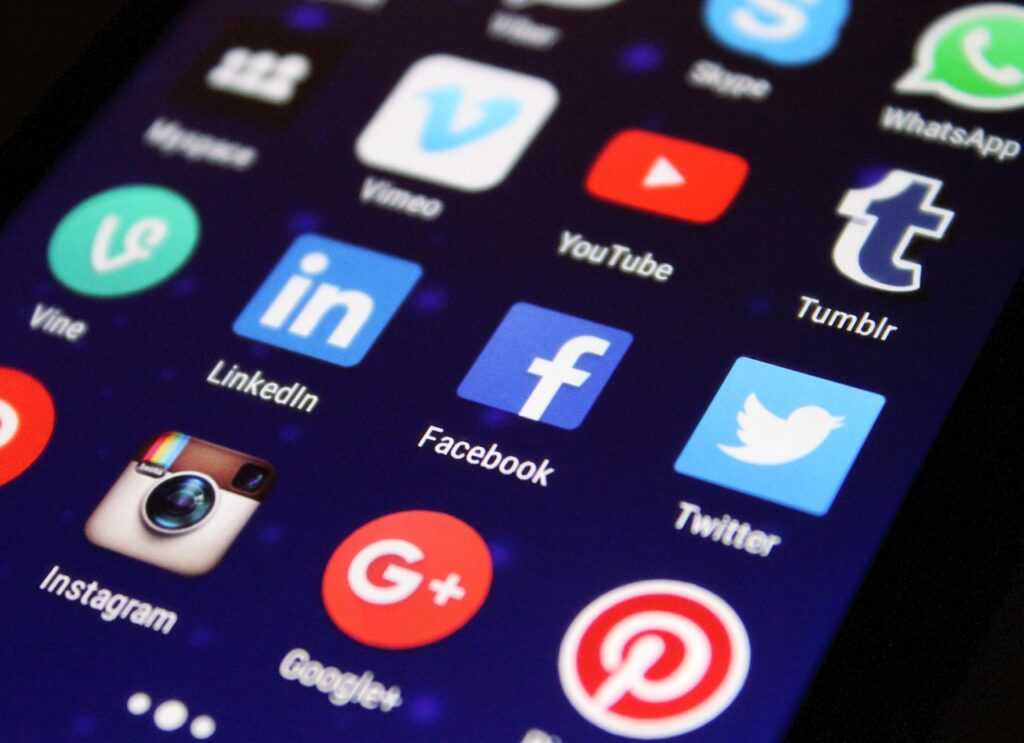
The shift is simple but massive: digital platforms aren’t just complementing traditional media they’ve taken over. Instagram reigns as the visual diary of the art world. TikTok introduces trends, artists, and controversies with viral speed. Twitter serves as the live wire commentary feed, with critics, artists, and collectors all weighing in. The audiences are wider, younger, and more reactive.
This democratization has changed how we find, discuss, and share art news. It’s more direct, more personal, and often, more raw. The gatekeepers haven’t disappeared but they’re now in the comments section, not behind paywalls.
Influence vs. Information
The art world isn’t just shaped by curators and critics anymore it’s now heavily influenced by creators with large followings and strong personal brands. From YouTubers dissecting gallery openings to TikTok creators spotlighting unknown street artists, influencers are becoming gatekeepers in their own right. Their thumbs up can make a career; their silence can erase it from the feed.
But with speed comes trade offs. On platforms built for constant scrolling, quick takes and half formed opinions often travel faster than carefully reported analysis. A viral post about a piece or an artist can spark waves of attention positive or negative before anyone verifies the details. Context gets cut for clicks. Authority is replaced by reach.
Meme culture plays a big role in this acceleration. One viral image or inside joke can shift how an artwork is perceived overnight. It’s powerful but messy. A complex piece can be flattened into a punchline. Nuance often gets lost between algorithm friendly captions and repostable formats. Creators and viewers both need to stay aware: influence isn’t always information, and virality isn’t always truth.
Artists as Direct Broadcasters
Once, galleries and critics controlled the narrative around art who got seen, who got reviewed, what ‘mattered.’ That gatekeeping no longer holds. Platforms like Instagram and TikTok have flipped the script. Now, artists can speak directly to their audiences, without middlemen. They show process, share ideas, and build community in real time.
Behind the scenes content whether it’s an oil painter mixing colors or a sculptor setting up an installation creates intimacy. Viewers don’t just see the finished work; they see the struggle, the inspiration, the hours. It turns passive scrollers into invested followers.
More importantly, artists are becoming commentators on the art world itself. They critique trends, call out institutions, and spotlight underrepresented voices all from their phones. That kind of immediacy doesn’t just boost engagement. It starts dialogues. It shifts movements. And in many cases, it gives rise to new ones.
By tearing down traditional walls, social platforms aren’t just sharing art they’re shaping it.
Activism Amplified
Art has always had a voice in protest, but social media gave it a megaphone. Today, a compelling piece of protest art can circle the globe in hours, reshaping public narratives before traditional media even catches up. Hashtag campaigns like #BlackLivesMatter and #MeToo didn’t just amplify movements they fueled waves of artwork, from digital illustrations to murals to performance pieces, each shared and reshared through online networks.
These platforms allow artists not only to express dissent but to build community, rally action, and demand visibility. The difference now? Scale and speed. One viral visual whether it’s a photo of a sculpture, a graffiti wall, or a filmed performance can turn an anonymous artist into a movement’s unofficial voice.
And this isn’t just about protest in the streets. It’s also shifting how we talk about social justice, climate crisis, and identity inside the art world itself. The conversation isn’t confined to galleries or lecture halls anymore it’s happening in comments, live streams, and DMs.
For more on this growing wave, see The Power of Art Fueling Today’s Social and Political Movements.
The Double Edged Scroll
Social media has cracked the gates wide open for better and worse. On the upside, art news is no longer the domain of critics and academics alone. Anyone with a phone and Wi Fi can access global exhibitions, behind the scenes breakdowns, or discovery threads about emerging artists. It’s faster, freer, and in many ways, more inclusive. A kid in Lagos can watch a live walkthrough of a Berlin gallery. An independent artist in Oaxaca can go viral overnight. Discovery is global and instant.
But with freedom comes the flood. The feed doesn’t filter for accuracy, context, or curation. Misinformation spreads fast, often masquerading as hot takes or aesthetic reels. Clicks outrank credibility. And despite the illusion of diversity, platform algorithms still choose what bubbles to the top reinforcing trends, voices, or aesthetics that keep users scrolling. Some stories get boosted. Others disappear.
Art news hasn’t just gone digital it’s gone unpredictable. There’s more access than ever, but clarity takes work. To stay informed without drowning in noise, you have to be an active participant, not just a passive scroller.
Staying Smart in the Feed
Art news isn’t just coming from critics and culture reporters anymore. It’s pouring in from influencers, brands, artists, bots you name it. In that chaos, verification matters. A lot.
Start with small habits. Cross check sources. Look up the origin of an image or claim. If something sounds dramatic, dig deeper before resharing. Trust publications or creators with consistent, transparent sourcing. Avoid accounts that thrive on rage posts or recycled hype with zero attribution.
Use tools. Reverse image search can help spot fakes or track how visuals get manipulated. Browser extensions like NewsGuard or Fact Check Explorer won’t solve everything, but they create needed friction before blindly trusting what’s on your screen.
Want to stay sharp long term? Curate your own inputs. Build a feed that blends trusted media, critical voices, and direct artist updates. Watch how niche art communities and paid content subscriptions are stepping into the gap left by traditional publishers. AI “curators” are on the rise too just make sure they’re not black boxes feeding you more bias than balance.
Art deserves better than hype. Staying informed isn’t about being perfect. It’s about putting in enough effort to not be fooled.
For deeper insights into how art intersects with protest, identity, and social change, it’s worth digging into the growing connection between creativity and activism. Artists today aren’t just making statements they’re driving conversations and mobilizing communities through digital platforms. From street murals to viral installations, the fusion of art and activism has never been more immediate, or more accessible.
This piece on art and activism breaks down how visuals become movements, how platforms amplify messages, and why artists continue to be at the frontlines of cultural shift.