A New Wave of Disruption
For decades, breaking into the art world meant playing by the rules of a few gatekeeping cities New York, London, Paris. That’s changing. Artists in Lagos, Bogotá, Ho Chi Minh City, and beyond are drawing collectors, critics, and mainstream attention without ever stepping foot in Chelsea.
The digital layer is a big part of the shift. Online platforms like Instagram, Artsy, and even direct to collector newsletters are cutting out the middleman. Artists can now control their own narrative, show process and personality, and connect directly with buyers across the globe. And collectors aren’t just scrolling for big names they’re hunting for big ideas.
More than ever, concept matters. Substance wins. A compelling story, sharp point of view, or bold execution resonates in a way that flashy CVs don’t. Many buyers are bored with blue chip predictability and hungry for context, rawness, and risk. That’s given emerging artists a stronger hand and a wider audience than they’ve ever had before.
New Gatekeepers: Social Media and Online Platforms
Instagram and TikTok aren’t just social media they’re portfolio spaces, networking tools, and launchpads for careers in art. An emerging artist today might get discovered through a reel instead of a residency. That’s not hype; that’s the new normal. Digital first visibility is replacing and sometimes outperforming traditional pathways to success.
Virality now functions like a fast track grant. One video or post gaining traction can spark interest from collectors and curators across time zones. But beyond quick bursts of attention, it’s sustained community that carries real weight. Artists who build followings around their process, message, or medium are building audiences that care often more deeply than a passive gallery crowd ever will.
What this means: the old gallery first model is taking a serious hit. Collectors no longer need to see a piece in situ before making a purchase. Reviews and sales can happen in comment sections. Gatekeeping is no longer reserved for elite curators now, anyone with a screen and a sense of taste can play a part in launching the next big name.
The Money Shift

A new, younger wave of collectors is flipping the script. They’re not chasing blue chip names hung in elite galleries they’re backing fresh, lesser known artists with punchy ideas and digital presence. It’s part gut, part gamble. For many, buying art is about discovery and identity as much as investment.
But the upside comes with risk. Prices on early career artists swing fast. A breakout show can double demand overnight. A quiet season can just as easily sink visibility. Still, that volatility is what draws these buyers in. Unlike traditional collectors, they’re comfortable with flux, often treating art like a startup play: bet early, ride momentum, and maybe help shape culture in the process.
Galleries are catching on. More are offering flexible payment options, curating shows geared toward digitally fluent followers, and extending representation to artists with strong online communities. They’re not just managing careers they’re managing attention.
For a deeper look at the forces reshaping value and visibility in today’s market, check out the current art market trends.
Broadening the Canvas
Global Voices Gaining Visibility
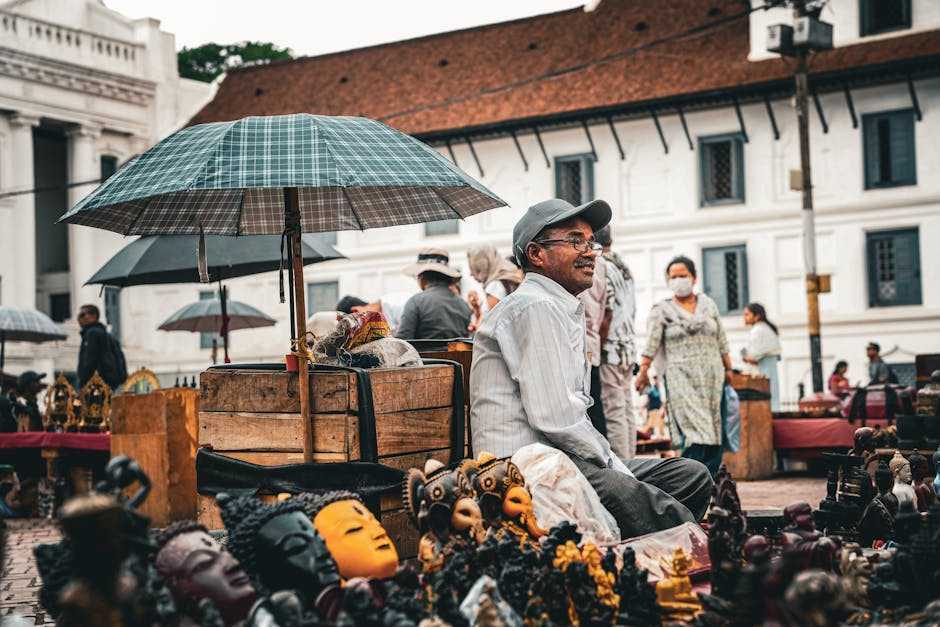
Emerging artists from historically underrepresented regions and cultures are taking center stage in the global art market. These creators are not only entering the conversation they’re reshaping it entirely. With digital access and shifting curatorial priorities, the barriers that once limited exposure are fading.
Artists from Africa, Southeast Asia, Latin America, and Indigenous communities are receiving more international attention
Regional narratives are becoming central to contemporary art discourse
Institutions are expanding their focus beyond Euro American art traditions
Inclusion: A Market and Moral Imperative
Representation is no longer seen as a footnote it’s a priority. Both ethically and economically, inclusion is being embraced as essential to the future of the art world.
Diversity enhances the cultural value and depth of collections
Inclusive programming drives wider audience engagement
Collectors are more willing to invest in artists with distinct cultural perspectives
How Collectors and Institutions Are Responding
Institutional decision makers and private buyers alike are adjusting their strategies to align with this cultural shift. Beyond simply acquiring new work, they are reevaluating their long term commitments and values.
Museums are launching initiatives to spotlight underrepresented artists
Biennales and global art fairs include more diverse curatorial voices
Private collections are diversifying as younger collectors seek voices that reflect a broader world
Representation is no longer optional it’s integral to relevance and resilience in today’s art market.
What This Means for the Future
The old art world pyramid centered in legacy cities, reliant on prestige galleries is flattening out fast. No longer do artists need to be in New York or London to be taken seriously. And collectors? They’re looking beyond big names, chasing work that’s fresh, bold, and globally aware.
This shift means innovation is finally outranking reputation. Artists experimenting with form, medium, and message especially those tapping into digital storytelling are gaining traction, and not just online. Institutions are catching up, albeit slowly. If you’re an emerging artist, this is your signal: the gatekeepers are still there, but they’re listening differently. Build your voice. Connect directly. Stay nimble.
For collectors, the rules are also bending. Buying art is no longer just about pedigree it’s about perspective. Look beyond the obvious. Seek out overlooked regions and personal narratives. And understand that supporting early career work means being part of an artist’s long game, not just hunting for the next flip.
The pace of change is only picking up. If you want to stay informed, take a longer look at these unfolding art market trends.